
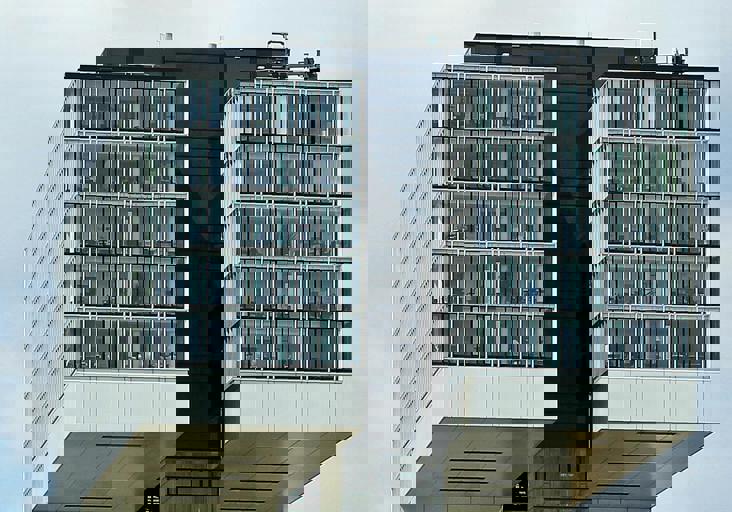
The commercial real estate market is experiencing an unprecedented surge, with office rentals driving record highs unseen in over a decade. Developers and landlords are capitalising on a dramatic uptick in demand, particularly for flexible workspaces. Industry analysts attribute this boom to a confluence of factors, including evolving workplace preferences and an influx of capital investment. This newfound momentum has sparked widespread optimism, as property values climb amid a competitive rental landscape.
Recent data compiled by the UK’s leading property consultancies demonstrate that the volume of office rental agreements soared by over 18% year-on-year in the first quarter of 2024. The appetite for high-quality, adaptable office space spans a range of industries, from technology startups to established legal and financial firms. As more businesses adopt hybrid and remote work models, demand for centrally located, well-equipped offices continues to escalate, underlining a clear shift in how corporations view their physical footprint.
The explosion in coworking spaces has served as a catalyst for the current market dynamic. Flexible office providers such as WeWork and IWG have reported record occupancy rates, eclipsing pre-pandemic levels. “Tenants want greater flexibility in both lease terms and workspace configuration,” says Emma Fletcher, commercial leasing consultant at Knight Frank. These operators are reshaping the office landscape, offering scalable solutions that appeal to both small enterprises and larger corporations seeking agility.
Investors have responded enthusiastically to these trends, funnelling capital into commercial property funds at levels not seen since 2012. Competitive bidding wars for prime urban office spaces are becoming increasingly common, driving up purchase prices and monthly rents. International investment, particularly from North America and Asia, has also surged, with foreign funds keen to tap into the UK’s revitalised office sector. This influx of capital has created a ripple effect, boosting adjacent property values and encouraging new construction.
The revitalisation of the urban property market is not without its challenges. Planning restrictions, inflationary pressures, and escalating construction costs present hurdles for developers and investors alike. Nonetheless, the promise of sustained demand has prompted many to forge ahead with ambitious projects. According to the Royal Institution of Chartered Surveyors, over 2 million square feet of new office space is currently under development nationwide, signalling strong long-term confidence.
The modernisation of office spaces, with a focus on sustainability and technological integration, is further fuelling the boom. Tenants increasingly expect buildings to meet environmental benchmarks and offer features like touchless entry, advanced air filtration, and smart energy systems. “Sustainability isn’t just a buzzword,” remarks Sarah Tindale, a senior facilities manager. “It’s a genuine priority for both occupiers and investors, influencing rental negotiations and long-term value.”
Traditional lease models are being re-evaluated as many occupiers seek shorter, more flexible terms to accommodate shifting business needs. Landlords are adapting by offering a variety of contract options, from hot-desking arrangements to customised fit-outs. This adaptability has widened the pool of potential tenants and made urban office locations more appealing to diverse business types, including creative agencies, consultancies, and tech firms looking for branded environments.
Workplace culture is simultaneously undergoing a transformation, as employers recognise the value of collaborative, dynamic environments. Office designs promoting social interaction, wellness amenities, and on-site services are now in high demand. These changes not only attract tenants but also help employers lure talent back to the office in a post-pandemic world. Enhancing the physical workspace is increasingly considered central to business success and employee satisfaction.
As the office rental boom continues to propel the urban property market to new heights, the future appears robust yet complex. While short-term volatility may arise from economic uncertainty or regulatory changes, stakeholders remain largely bullish. The sustained demand for flexible, modern office environments is expected to underpin growth well into the next decade, ensuring that the urban commercial property sector remains a focal point for innovation, investment, and competition.