
A sweeping new bipartisan energy policy announced this week promises to transform the country’s approach to power generation by phasing out coal entirely by 2030. The plan, championed by senior lawmakers from both major parties, is described as a bold yet pragmatic blueprint designed to tackle climate change and ensure energy security. If enacted as proposed, it would mark one of the most significant shifts in UK energy history.
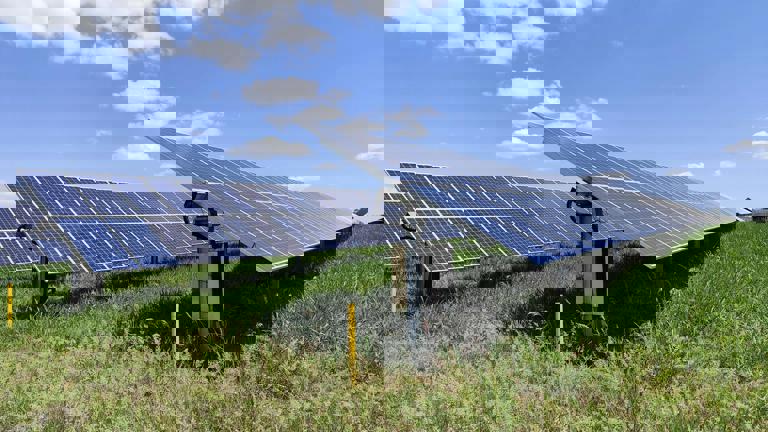
At the heart of the overhaul is a commitment to accelerate the development and deployment of renewable energy sources. This includes expanding wind, solar, and tidal power infrastructure, along with increased investment in battery storage technology. Experts say that by focusing on diversification, the policy aims not only to cut fossil fuel emissions but also to buffer the national grid against volatility.
Coal currently accounts for a small but persistent percentage of the UK’s electricity generation, having declined sharply over the last decade. According to the Department for Energy Security and Net Zero, coal supplied under 2% of Britain’s electricity in 2023, down from 40% a decade prior. Nevertheless, campaigners argue that even minimal coal use undermines climate goals and public health.
Environment Secretary Lucinda Graham hailed the agreement as a significant milestone in the nation’s journey towards net zero carbon emissions. “We have set an ambitious, achievable timeline that signals to investors and innovators the UK’s resolute commitment to green power,” Graham said in a statement. She added that the policy’s bipartisan nature would help ensure its resilience against future political shifts.
A crucial element of the plan is support for communities historically dependent on coal mining and power stations. The government pledged a comprehensive retraining and reskilling package, working in partnership with local authorities and industry leaders. “We cannot ignore the social dimension of this transition,” said Labour’s energy spokesperson, James Mercer, emphasising efforts to create new jobs in clean energy sectors.
To promote public acceptance and minimise disruption, the plan includes substantial investments in energy efficiency and home retrofitting programs. Households will be offered grants and low-interest loans to upgrade to cleaner heating systems, such as air-source heat pumps, and improve insulation. The government expects these measures to cut emissions further while helping families save on rising energy bills.
Business leaders have largely welcomed the clarity provided by the 2030 coal deadline. Charlotte Fraser, CEO of EnergyUK, stated, “A defined end date for coal helps the sector plan for the future. It allows us to accelerate investment in renewables and modernise our grid infrastructure with confidence.” However, she also cautioned that continued regulatory support is vital to maintain momentum.
Critics of the plan, meanwhile, warn of potential pitfalls if the rollout of renewables fails to keep pace with growing electricity demand. Some opposition MPs have raised concerns about the reliability of intermittent wind and solar power, particularly during periods of low generation. They argue the country must simultaneously invest in energy storage and flexible backup solutions to avert blackouts.
In response, ministers have outlined a robust schedule of grid upgrades and new battery storage capacity. The National Grid has announced plans to fast-track the integration of smart grid technologies and enhance electricity interconnectors with mainland Europe. These steps, officials believe, are essential to guarantee continuity of supply during the transition away from fossil fuels.
The plan’s focus on innovation has drawn praise from academic and scientific circles. Dr. Imran Dasgupta, a renewable energy researcher at the University of Manchester, described the policy as forward-thinking. “By prioritising both generation and storage technologies, the government is addressing the technical challenges inherent in a renewable-heavy grid,” Dasgupta commented, noting the need for sustained research funding.
On the international stage, the UK’s accelerated coal phase-out could bolster its reputation as a global climate leader. With COP29 set to take place later this year, diplomats hope the new policy will provide an influential example for other industrialised nations still reliant on coal. Analysts suggest successful implementation would strengthen the country’s negotiating position in future climate accords.
Looking closer to home, some trade unions express concern about job losses in traditional energy sectors. Unite official Simon Rigg urged policymakers to prioritise a “just transition” for workers, calling for guarantees that employment opportunities in renewables receive equal pay and benefits. The government has reiterated its commitment to social dialogue, aiming to minimise hardship during this period of change.
As the political debate proceeds, the draft legislation will undergo scrutiny in Parliament over the coming months. Supporters are optimistic that the broad consensus on climate action will help carry the bill through both Houses. For the public, a successful transition is likely to mean cleaner air, greater energy security and a more sustainable economic future as the UK moves beyond coal and towards a greener horizon.