
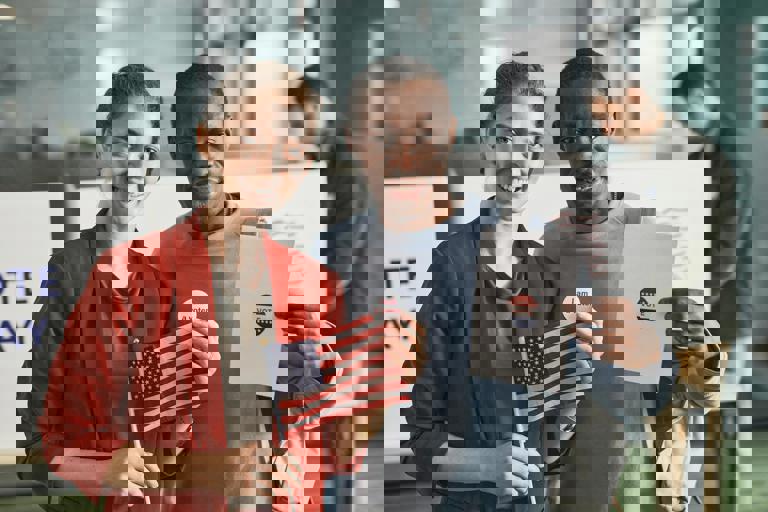
The government’s proposed Voter ID Bill has moved to the next stage in the legislative process amid mounting criticism from civil rights groups and opposition parties. Supporters of the bill argue it is designed to strengthen electoral integrity by requiring all voters to present photographic identification at the polls. However, advocacy organizations caution that these changes could create significant barriers to voting for certain segments of the population, raising serious questions about inclusivity and fairness.
One of the primary concerns voiced by critics is that the new requirements may disproportionately impact vulnerable groups, including the elderly, low-income individuals, ethnic minorities, and young voters. According to the Electoral Reform Society, millions of people in the United Kingdom do not currently possess any form of valid photo ID, potentially placing their right to vote at risk if the bill becomes law.
Government officials, on the other hand, maintain that the Voter ID Bill is a necessary safeguard against electoral fraud. Cabinet Office Minister David Evans stated, “This legislation forms a key part of our commitment to ensuring the security and trustworthiness of our elections.” He further stressed that pilot schemes have demonstrated voter identification does not significantly affect turnout, although critics dispute the generalisability of these findings.
Opposition MPs have raised objections both within Parliament and in public forums. Shadow Home Secretary Lisa Townsend argues, “We must be vigilant for any measure that restricts democratic participation rather than enhancing it.” She notes that documented cases of voter impersonation—a stated target of the bill—remain extremely rare, suggesting the legislation addresses a problem that lacks evidence of widespread occurrence in the UK.
Civil society groups, including Liberty and the Race Equality Foundation, have expressed fears that the legislation could unintentionally disenfranchise thousands. Dr. Amira Cooperson of the Race Equality Foundation remarked, “For many people already on the margins, procuring official identification will pose a significant financial and logistical challenge. The risk is we will see a sharp reduction in participation from minority communities.”
In response to criticism, the government has proposed measures such as allowing eligible voters to apply for free voter identification cards. Yet, advocacy groups remain sceptical. They point out that accessing these cards may still prove complicated for those lacking technology or official documentation and that awareness campaigns may not effectively reach every affected citizen.
Recent polling indicates that public opinion is sharply divided over the Voter ID Bill. A survey by YouGov found that approximately 45% of respondents support the introduction of ID requirements at polling stations, whereas 39% are opposed, leaving a significant portion undecided. These divisions highlight the broader debates about balancing security and accessibility within the British voting system.
Legal experts have weighed in, warning that the legislation could face court challenges on human rights grounds. Professor Michael Grant, a constitutional law specialist, observed, “Any law that impacts such a fundamental right will be closely scrutinised under both domestic human rights statutes and European obligations. The government will need to robustly justify that these measures are proportionate.”
As the bill advances through the legislative process, several influential parliamentary committees are seeking amendments to soften its potential impact. The House of Lords Constitution Committee, for instance, has recommended further research into the effects of ID requirements in comparable democracies and greater safeguards to protect the right to vote for all eligible citizens.
International bodies have also commented on the situation in the UK. The Organisation for Security and Co-operation in Europe (OSCE) has previously cautioned that voter identification laws, if not carefully calibrated, can lead to unintended consequences for participation and equality. Their reports have stressed the importance of tailored outreach and inclusive policy design.
As the debate intensifies, both supporters and opponents of the Voter ID Bill are mobilising to influence the final outcome. Campaigners plan to increase pressure through petitions, public demonstrations, and targeted communications to lawmakers. With the next reading scheduled in Parliament, the issue remains at the centre of British political discourse, bearing significant implications for the future conduct of elections and democratic participation in the UK.